Eating pencil, wall, raw rice – the unseen threat pica
Have you ever noticed children or even pregnant women consuming raw rice, pencils, mud, wall, paper, sand or paper. While some may view it as a harmless quirk or a nostalgic memory, it’s actually a serious issue that requires attention. It is often neglected and makes fun of but there is a serious unseen threat behind it and should not be neglected. This condition is called pica which has longer side effects and can cause complications in future.
The reality behind the trend
One social media platform like instagram people often share content showcasing themselves eating slate or other non- food items during childhood as a ‘memorable memory’. However, this behaviour is not something to be taken lightly. Eating non – food items, also known as pica can have severe health consequences.
What exactly is pica and how to detect it
Pica is a strange eating disorder or mental health condition in which a person crave for non-food items that don’t have any nutritional value or purpose. It is a compulsive behaviour, hence people with this condition have a very hard time controlling the urge on their own. It can be cured and is generally harmless when treated in time.
What is the reason of pica
- Nutritional deficiencies – the nutritional deficiencies of iron, zinc and other nutrition is associated with pica. Hence, it is commonly found in pregnant women and children. Your craving may be a sign that your body is trying to replenish low nutrition level
- Mental health condition – people with certain mental health condition such as obsessive compulsive disorder ( OCD) and geophagia may develop pica as a coping mechanisms. It is rare but should also be considered and not neglected.
- stress or anxiety – pica might be a coping mechanisms for people in stress or anxiety. They like to chew the texture which cause them calming effect and shift from the stress.
How is pica diagnosed
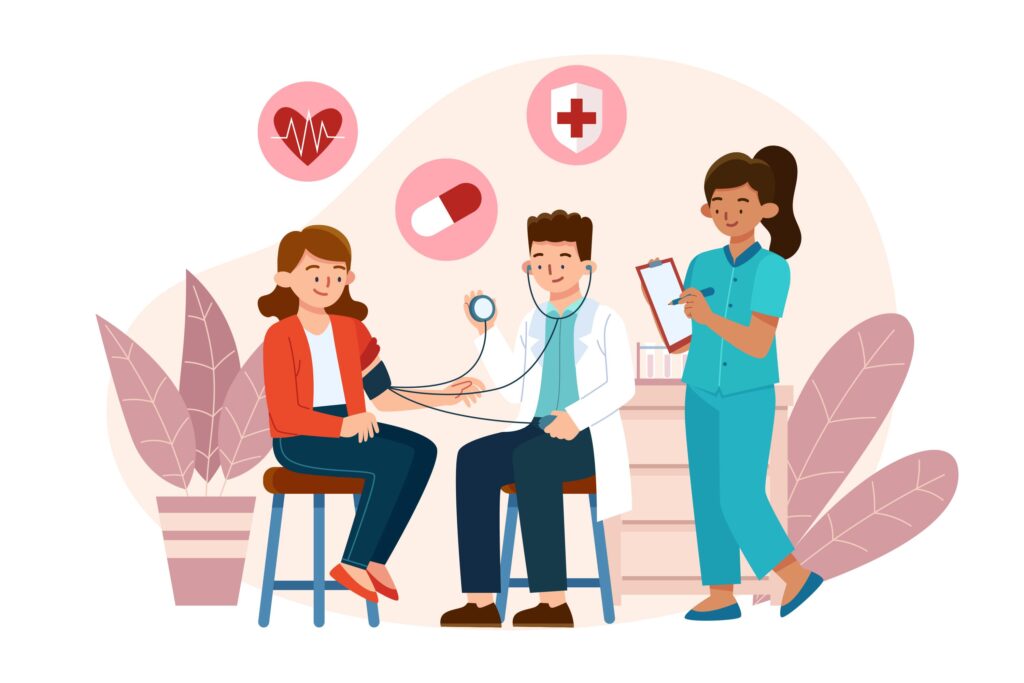
your doctor will find the root cause of pica by taking your blood test and see your phycological behaviour. You should be open and honest to your doctor about what you have been craving for and eating. You should also tell your doctor if you have stress or anxiety. By looking at your condition, doctor will treat you either by giving nutritional based tablets or having a psychosocial councelling.
It can also go away with time by its own if you manage stress and take proper balance diet filled with nutritional food. It will take two to three months but it will go away on its own if you try to.
How untreated pica can affect your body ?
- Gastrointestinal complications– consumption of mud, clay, chalk, and wall can lead to gastrointestinal problems such as blockage, ulcers, constipation or even perforations in the digestive track. It can even cause kidney and gallbladder stone.
- nutritional deficiencies – as nutrition deficiency is the main cause of pica. This can lead to physical symptoms like weakness, fatigue, anemia or failure to thrive.
- Toxicity or poisoning– wall paint, clay and pencil contain lead which can cause poisoning, illness or allergic reaction.
- Infection or parasitic – children eating mud and clay can cause parasite and worms inside the intestine which slow the growth of child and can cause malnutrition
- Slow in growth and difficulty in concentration.
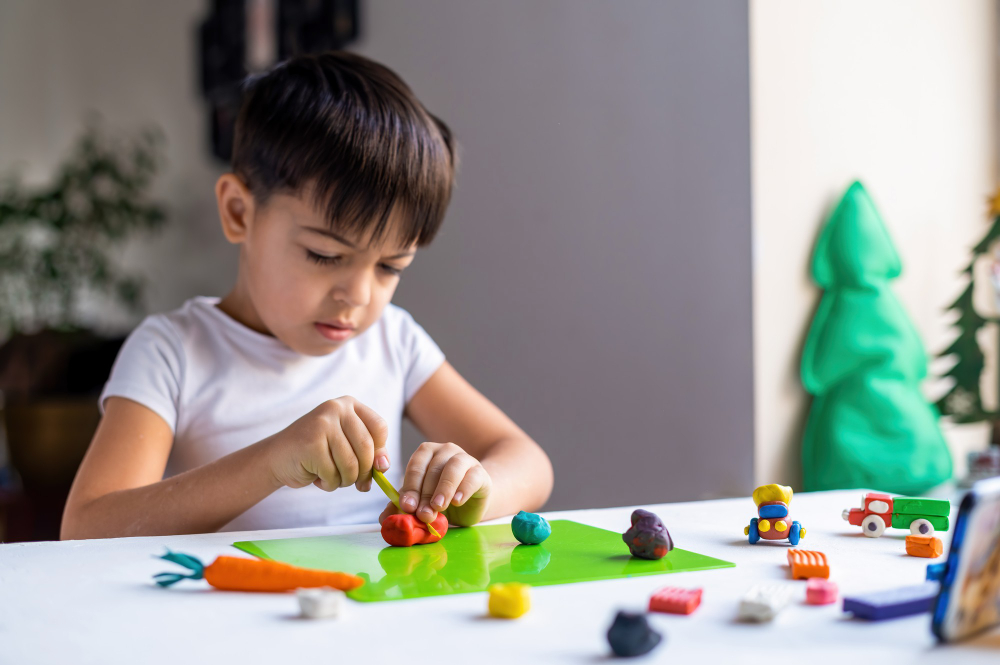
What you can do if you see your children having pica disorder.
- Put locks on cabinet that contain possible pica object
- Feed your child with proper balance diet.
- Try to give more time to your children and keep a social environment
- If he is eating wall paint, put wallpaper on the wall or apply new paints in the house that are hard to scratch.
conclusion
Pica is not harmful and can be treated but it in necessary to not neglect it. By raising awareness and promoting education, we can help individuals and families affected by pica get the support they need. Let’s work together to break the silence and create a more supportive environment for those affected. It is very common in India. According to UNICEF( 2013) 75% of under five children are with pica in India. The incidence of pica is higher away children in lower social economic groups (50% – 60%) and lower (30%) in higher income families.
In India, the population of under five children was 15,85,289. Among which 53% children were malnutrition and about 12% of children are pica case.
bloomingsakhi@gmail.com
hello i am Hema sis, your sakhi sharing all my stories so that we all girls can connect in all the topics we barely talk about.